Where Does Propane Come From?
by 
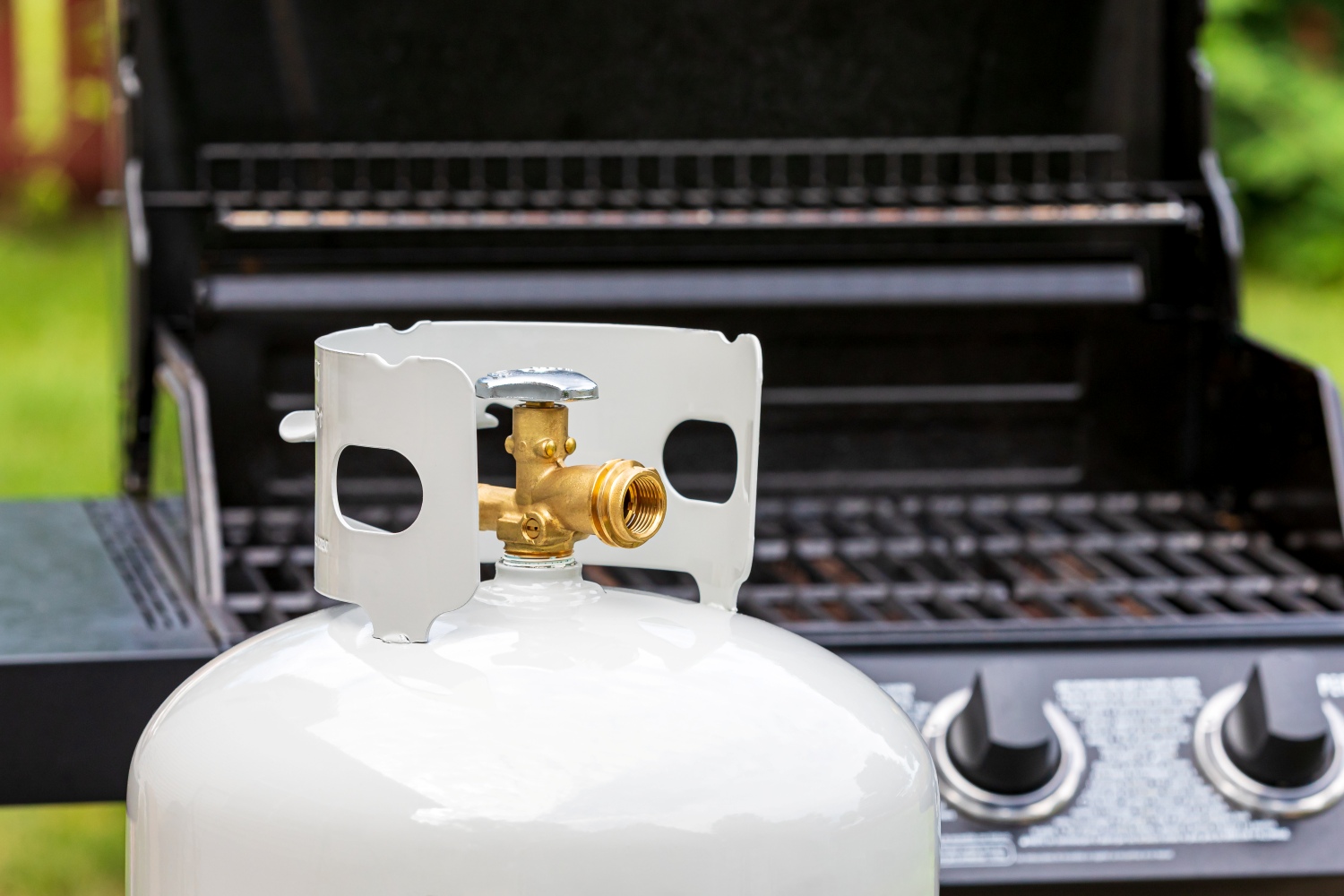
Propane can be used in a variety of ways, from fueling your grilling and barbecues to powering RV appliances and keeping vehicles running nationwide. But where does propane come from? To put it simply: propane is the by-product of natural gas and crude oil refining processes.
Conclusiones clave
- Propane is produced as a byproduct of natural gas processing and crude oil refining.
- In its natural state, propane is colorless and odorless, but propane producers add odorant so leaks are easier to detect.
- Propane is stored under pressure as a liquid but becomes a gas when released from its container.
Where Does Propane Come From?
Propane comes from two energy-production processes: natural gas processing and crude oil refining. There are four components to natural gas: methane, propane, butane, and ethane. Each component has a unique use.
If you've had a gas bill, then you've used methane. It can power ovens, fridges, and water heaters. This gas is odorless, tasteless, and not visible. This is why the scent of rotten eggs is added to methane - and propane - to detect leaks.
Propane is used for powering heaters, vehicles, grilling, and more, and is only about 10% of all-natural gas when refined.
Butane is also used as a grilling and heat source but is much less common and is mostly used in lighters and small canisters for outdoor travel.
Ethane is used to make polyethylene and is the starter for plastics all around the world.
Propane can also be recovered during crude oil refining. Refineries separate crude oil into products with different physical and chemical properties, including gasoline, diesel fuel, and liquefied petroleum gases like propane.
How Is Propane Made?
Propane is separated, refined, and prepared for storage through several broad stages:
- Recovery: Propane is recovered from natural gas streams or refinery gases.
- Separation: Processing equipment separates propane from methane, ethane, butane, and other hydrocarbons.
- Refining: Remaining impurities are removed, so the propane meets the requirements for its intended use.
- Odorization: An odorant is added to help people recognize a possible leak.
- Pressurized storage: The finished propane is placed in approved containers and storage systems as a liquid under pressure.
What Does Propane Look Like?
Propane is colorless in both its liquid and gaseous forms. Inside a pressurized container, liquid propane can look similar to water, and when the valve opens and the pressure drops, some of that liquid boils and vaporizes into the gas used by a grill, heater, vehicle, or other propane-powered appliance.
Storing propane as a liquid makes it much more compact. According to the U.S. Department of Energy, liquid propane has an energy density approximately 270 times greater than propane in its gaseous form; this is why a propane tank lasts as long as it does.
Learn more about How Long a Propane Tank Lasts When Grilling.
You should never open a propane container to look inside. Propane is flammable, and its pressurized storage system is designed to remain closed except when it is properly connected or serviced.
What Does Propane Smell Like?
Propane is naturally odorless. An odorant is added during production, so a leak produces a noticeable smell that is often compared with rotten eggs or a skunk's spray. The odor gives you an early warning that propane may be escaping. Do not operate switches, start a vehicle, or do anything else that could create a spark near a suspected leak.
If You Smell Propane or Find a Leak When Your Tank Is On, Follow These Steps:
If you smell propane when your tank is turned on, follow these steps:
- Disconnect everything
- Extinguish nearby flames and smoking materials
- Move your tank away from people and buildings
- Have the container and appliance inspected before using them again
If You Smell Propane or Find a Leak When Your Tank Is Off, Follow These Steps:
- Extinguish nearby flames and smoking materials
- Move your tank away from people and buildings
- Leave the area immediately
- Call 911 or your local fire department from a safe location
What Is Propane Used For?
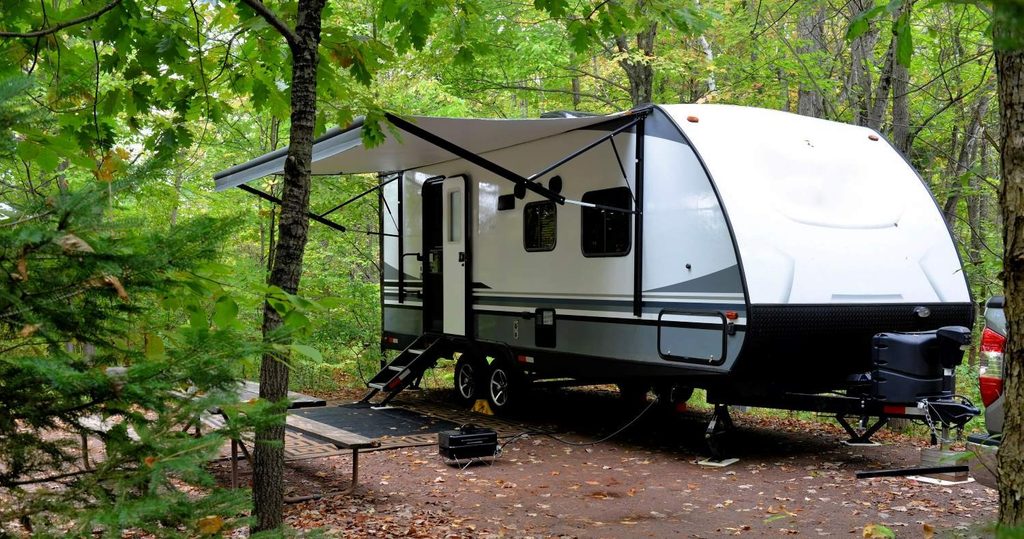
Propane's portability makes it useful in places that do not have access to a natural gas line. Common applications include:
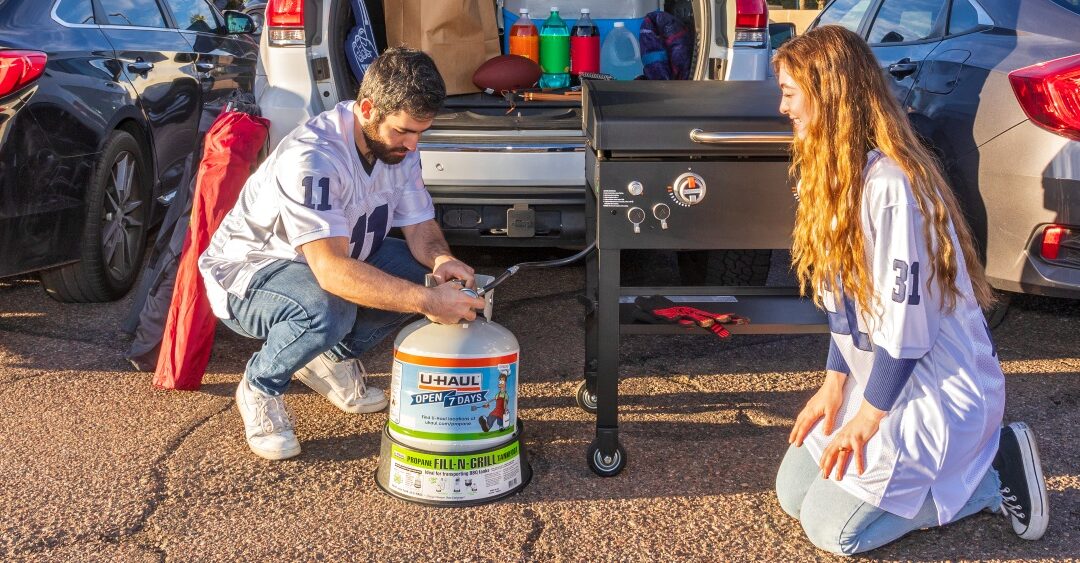
- Grills, smokers, and other outdoor cooking equipment
- Home and water heating
- Cooking and refrigeration
- Drying clothes
- RV appliances
- Farm and industrial equipment
- Forklifts and fleet vehicles
- Backup and portable power equipment
The chemical industry also uses propane as a raw material for producing plastics and other compounds. When used to power a vehicle, propane is called propane autogas. It can fuel light-, medium-, and heavy-duty vehicles and has been used as a transportation fuel for decades.
If you need to refuel with propane autogas, U-Haul has you covered. With U-Haul, you’ll be able to see how much propane each location has on hand, so you’re never left stranded.
Is Propane Safe to Use?
Propane can be used safely when its container and appliance are in good condition. Safe handling is especially important because propane is flammable and stored under pressure.
Follow these basic practices:
- Keep portable propane containers upright and secure.
- Use, inspect, and store them in well-ventilated outdoor areas.
- Never store a propane container indoors or in an enclosed space like a basement, garage, shed, or tent.
- Do not leave a propane container inside a vehicle.
- Keep containers away from flames, sparks, smoking materials, and excessive heat.
- Check the container and connections for damage or signs of leakage before use.
- Never attempt to modify or repair a valve, regulator, connector, or other container components yourself.
For more guidance, review our propane safety tips before transporting, storing, or using propane.
Why Do People Choose Propane?
Propane offers a flexible source of energy that can be stored where it is needed. Unlike natural gas delivered through a fixed pipeline, propane can be transported in approved containers and used for residential, recreational, agricultural, commercial, and transportation applications.
Where Can You Get Propane?
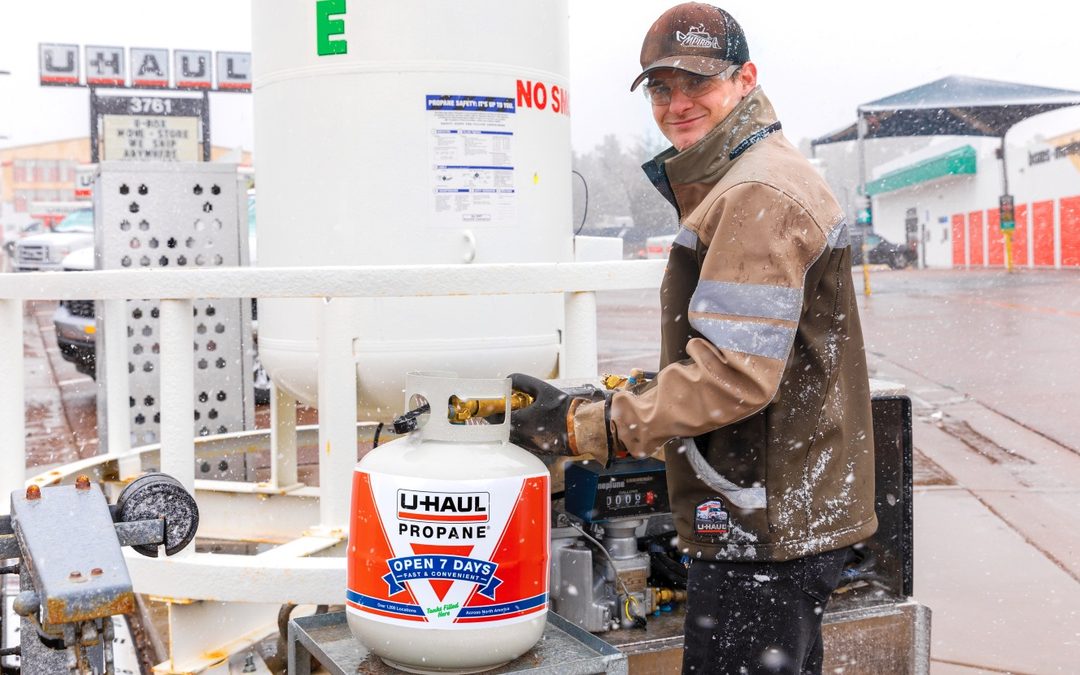
U-Haul offers new propane tanks, propane refill, and propane exchange services across the United States and Canada. With U-Haul, you’ll always see what locations near you have propane, how much they have on hand, and how tanks are available for exchange.
Learn more about Propane Prices: U-Haul vs. Competitors.
Before visiting, check your container for visible damage, excessive rust, or missing components. Anyone can come by a U-Haul center that offers propane refill, and a propane-certified team member will inspect your tank’s certification date and condition for FREE before refilling. There’s no appointment necessary, so stop by anytime!
Learn more about How to Safely Transport Propane Tanks
Find Propane Near You
Ready for your next cookout, RV trip, or outdoor project? Find a U-Haul propane refill or exchange location, and have your container inspected for free and filled or exchanged by a propane-certified team member.
Frequently Asked Questions About Where Propane Comes From
Where does propane come from?
Propane is produced as a byproduct of natural gas processing and crude oil refining. It is separated from other hydrocarbons, refined, odorized, and stored as a liquid under pressure.
Is propane a liquid or a gas?
It is stored under pressure as a liquid and vaporizes into gas when pressure is released.
Why does propane smell like rotten eggs?
Propane is naturally odorless. An odorant is added so people can more easily detect a possible gas leak.
Is propane the same as natural gas?
No. Propane and natural gas are both hydrocarbon fuels, but they are distributed and stored differently. Natural gas consists primarily of methane, while propane is a refined component of natural gas.
What should I do if I smell propane?
If you smell propane, that means there is a leak. Check whether the leak is happening and whether the tank is on or off. You want to disconnect everything, extinguish nearby flames or smoking materials, and move your tank away from people and buildings.
If the tank only leaks when it’s on, have the tank inspected
If the tank also leaks when it’s off, call 911 or your local fire department from a safe location.
For more than 80 years, orange has been an iconic and recognizable color in moving and storage, signifying U-Haul products and services and the quality, affordability, and convenience they provide.